
May 28, 2026
If you are drawn to Virginia Beach but want something calmer than the busiest Oceanfront blocks, the North End often stands out right away. It offers a quieter beach setting, a more residential rhythm, and easy access to the activity farther south when you want it. If you are wondering what daily life here actually feels like, this guide will help you picture the pace, the scenery, and the tradeoffs. Let’s dive in.
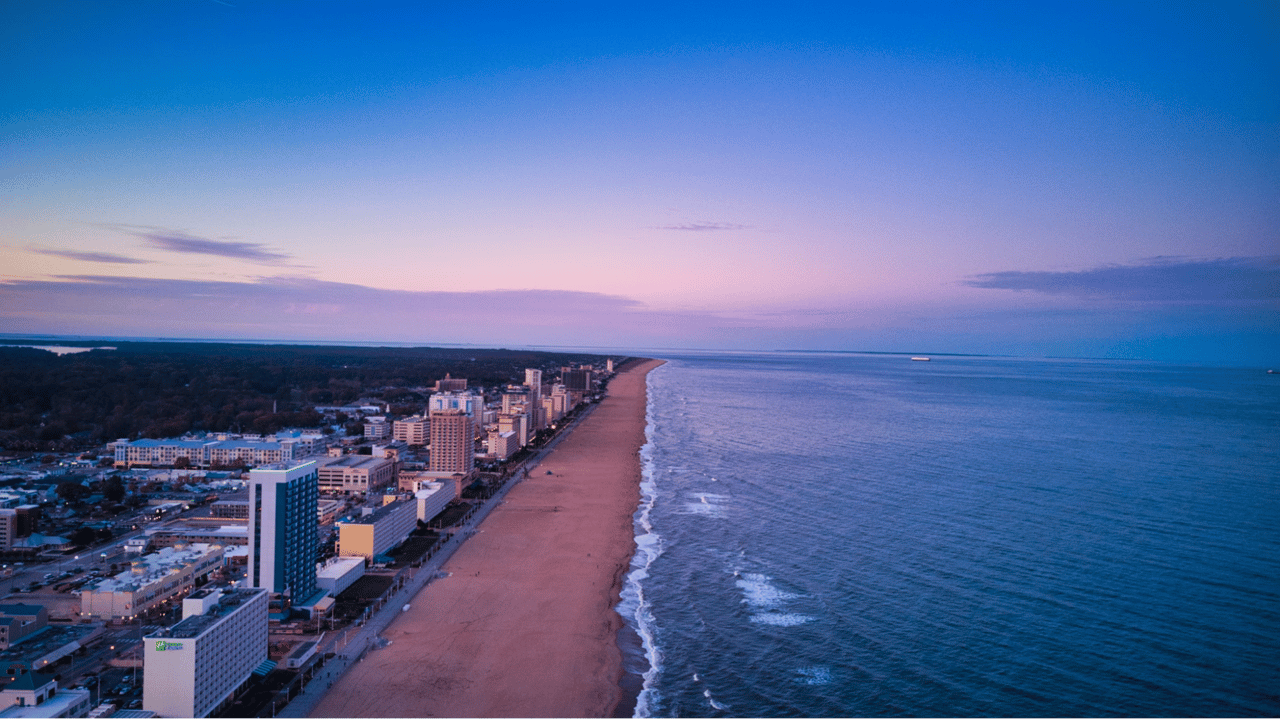
The North End is the northernmost stretch of the Oceanfront, generally running from 38th to 82nd Streets. According to Visit Virginia Beach, this area feels quieter than the resort core because it is backed by residential blocks rather than a dense lineup of commercial activity.
That difference shapes the mood right away. You are still close to the energy of the boardwalk district, but your immediate surroundings tend to feel more home-centered and less crowded. For many buyers, that balance is the main appeal.
Historic preservation documents also describe this area as flat and narrow, set between the ocean and branches of Lynnhaven Bay. In everyday terms, that geography helps create a strong connection to the shoreline and a sense that the beach is part of your regular routine, not just a weekend destination.
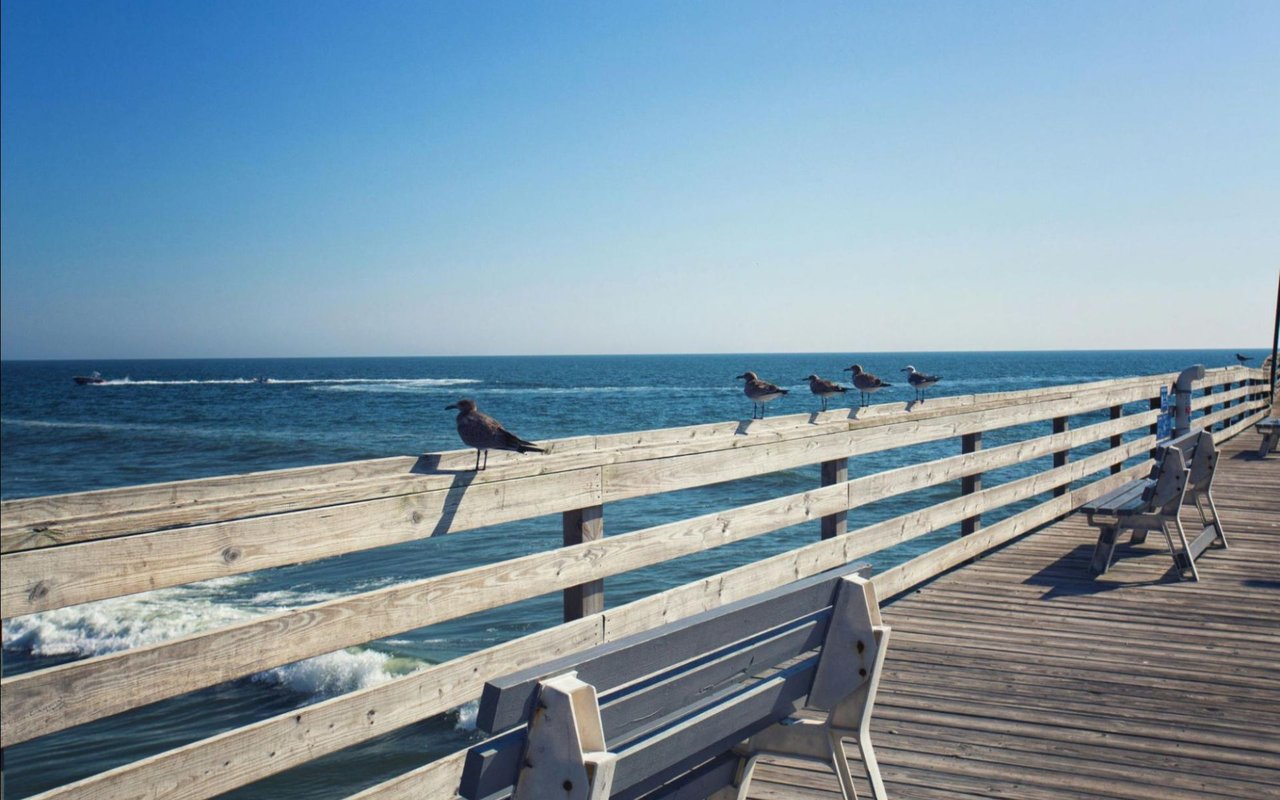
Life in the North End often starts outside. Morning beach walks, runs along the shore, and bike rides are a natural part of the rhythm here, especially if you enjoy being active before the day gets busy.
The boardwalk to the south runs from 2nd to 40th Streets, and Visit Virginia Beach notes that it is open all day, every day. The city also highlights separate biking and walking paths along the boardwalk, plus more than 200 miles of municipal bikeways and trails throughout Virginia Beach.
That means you can keep your day simple and flexible. You might start with a beach walk near home, bike south toward the boardwalk, or head out for a longer ride through the city’s trail network. The lifestyle here tends to reward people who like movement, fresh air, and easy access to the coast.
One of the North End’s defining features is that the beach experience feels less built up. Visit Virginia Beach notes that this area has limited free parking along Pacific Avenue, no concessions or restrooms on the beach, seasonal lifeguard coverage, and ramp access at most entrances, with extended wood walkways at 40th Street.
For some people, that sounds like a drawback. For others, it is exactly the point. The beach here tends to feel more peaceful because it is not lined with the same level of visitor services and foot traffic found in more active resort sections.
If you are considering living here, it helps to think of the North End as a place that favors preparation and routine. You pack what you need, learn your preferred access points, and enjoy a shoreline that feels more residential than commercial.
A big part of North End living is being near the Oceanfront without being in the center of it. The boardwalk core stretches to 40th Street, which means the southern part of the North End sits close to restaurants, entertainment, and waterfront strolling.
That location gives you options. You can head south for dinner, seasonal events, or an evening walk, then return home to a quieter block. For buyers who want convenience without constant activity outside their door, that can be a very attractive middle ground.
This is also why the North End often feels refined but relaxed. You do not have to choose between total isolation and full resort intensity. Instead, you get a setting that keeps the Oceanfront accessible while preserving a more residential atmosphere.
The North End itself is mostly residential, so much of its dining and social life connects to nearby Oceanfront areas. Visit Virginia Beach describes the boardwalk as a hub for waterfront restaurants, seafood, cocktails, and evening strolls.
Nearby options highlighted by Visit Virginia Beach include North Beach Bar & Grill near Neptune Park and eat: an american bistro at the north end of the oceanfront. In practice, that means your restaurant scene is close, but it is not concentrated on every block around you.
For many residents, that creates a comfortable pattern. Home feels quieter and more private, while dining out or meeting friends is still easy to work into the week.
One of the benefits of living near the North End is that Virginia Beach’s seasonal programming stays within reach. City and tourism sources note that Live! On Atlantic runs from mid-June through Labor Day Weekend, with concerts, festivals, and street entertainment in the Oceanfront resort area.
The Oceanfront Concert Series offers free performances on many Wednesday evenings from early June to mid-September. Neptune Festival Boardwalk Weekend begins on the last Friday of September, and Holiday Lights at the Beach adds a winter tradition later in the year.
If you enjoy having something to do without needing to travel far, this nearby event calendar adds a lot to the experience. You can participate when you want to, then step back into a quieter home environment when the evening ends.
While the ocean is the headline, First Landing State Park gives the broader North End area another layer of lifestyle appeal. Virginia State Parks says the park includes 1.5 miles of Chesapeake Bay beach frontage and 20 miles of trails.
The Cape Henry Trail is described as a 6.1-mile route that is wide, flat, and mostly shaded. That makes it useful for hiking, biking, and lower-key outdoor time when you want a break from the open beach.
This matters because it broadens what everyday living can look like. In the North End, your outdoor routine is not limited to sand and surf. You also have access to wooded trails and bayfront scenery nearby, which helps the area feel more rounded and livable year-round.
If you have a dog, the rules change with the season. Visit Virginia Beach states that during high season, dogs are allowed on North End beaches before 10 a.m. and after 6 p.m. above 42nd Street, and leashed dogs are allowed on the boardwalk from 6 a.m. to 7 p.m.
In the off-season, dogs are allowed on the boardwalk and beaches anytime. That can make cooler months especially enjoyable for pet owners who want more flexibility in their daily walks.
These details may seem small, but they help shape how the neighborhood feels in real life. If your routine includes a dog, it is useful to understand how beach access works before you buy.
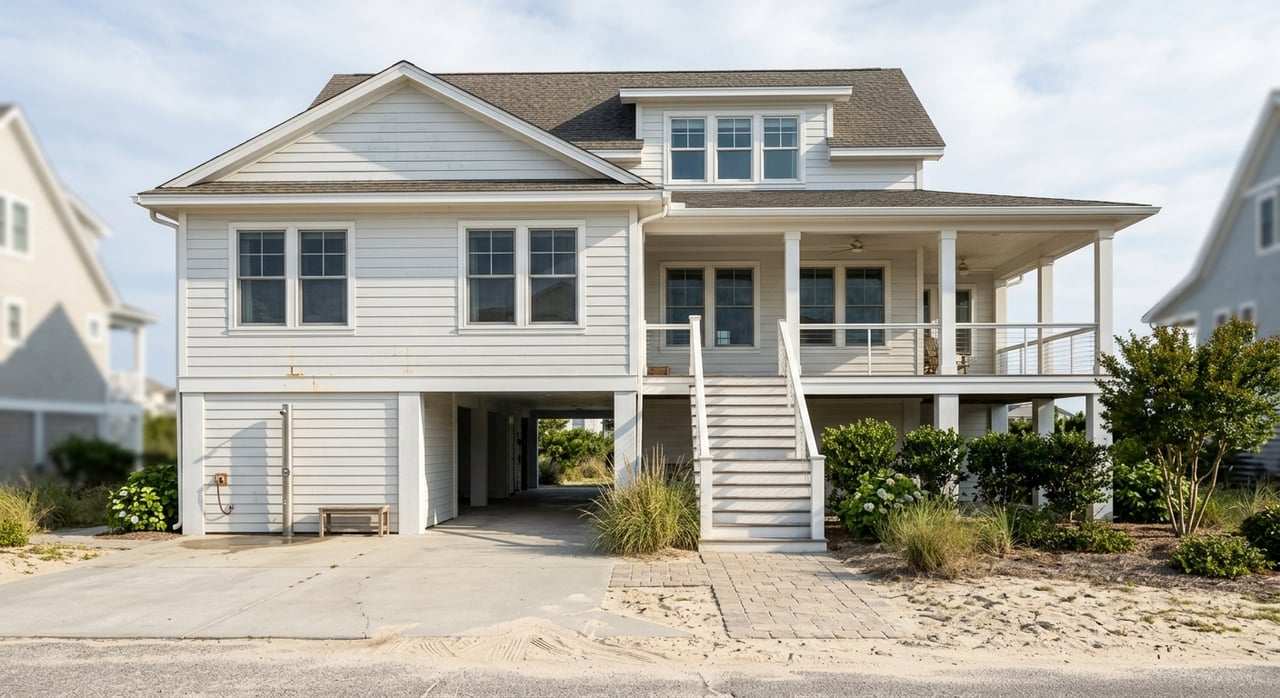
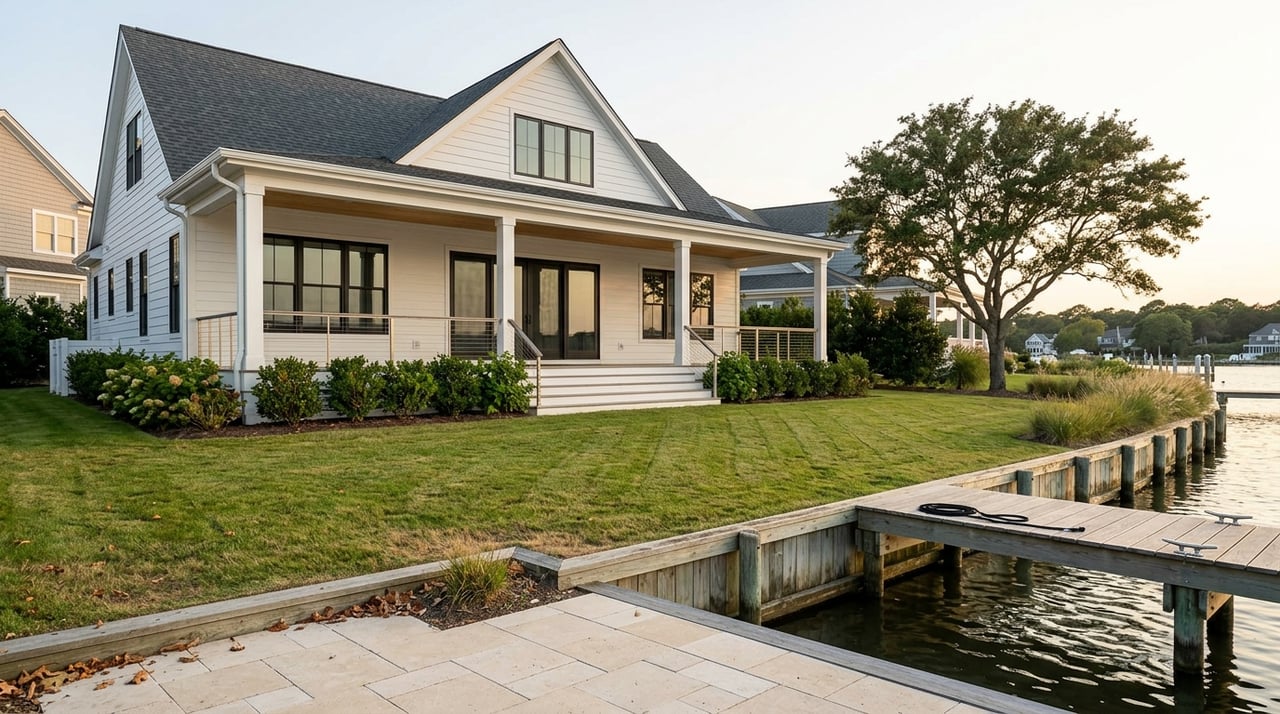
The North End market is not one-note. Preservation documents for nearby historic areas show a mix of housing character, from early beach cottages to larger single-family homes and newer redevelopment.
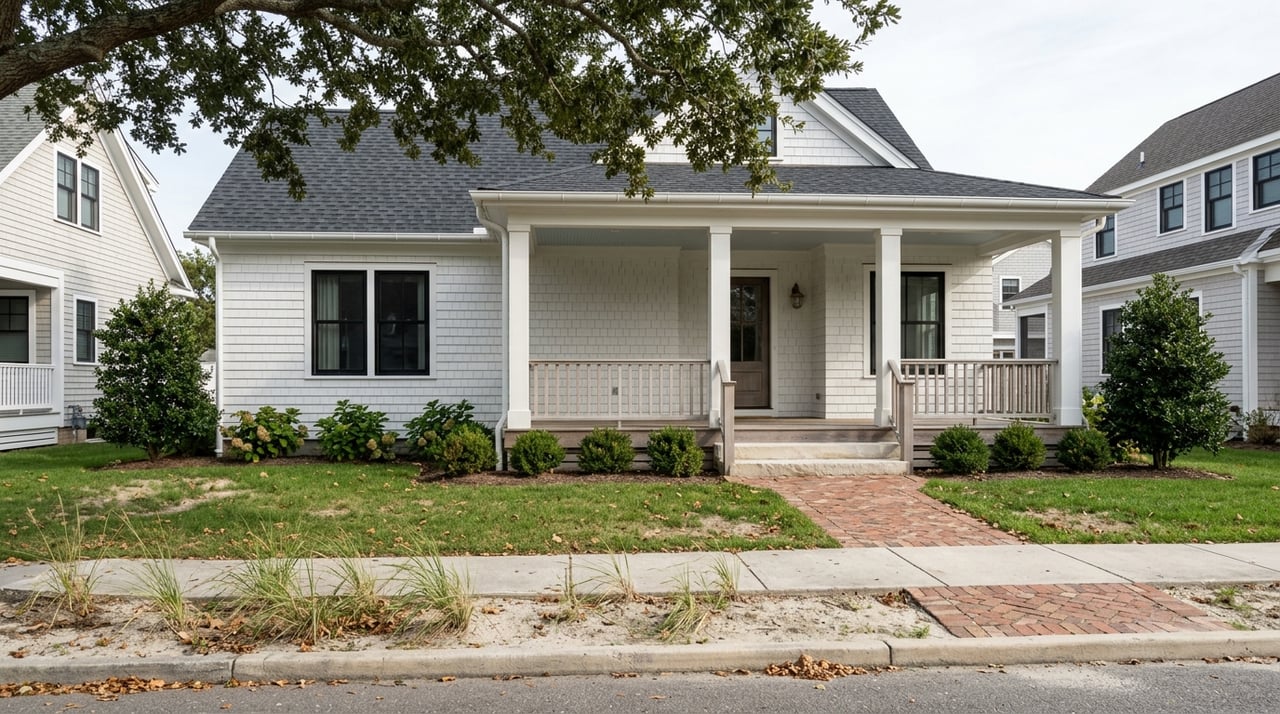
The Cavalier Shores Historic District, immediately north of the Cavalier Hotel, is described as mainly single-family dwellings, often two stories, with Colonial Revival, Tudor Revival, and Minimal Traditional styles. The setting also includes mature landscaping, brick promenade walkways, and public beach-access walkways at street ends.
Nearby, the 37th Street Cottages Historic District includes early-20th-century beach cottages with American Foursquare and Craftsman detailing. These preserved pockets help explain why some parts of the broader North End feel established, layered, and architecturally distinct.
At the same time, the city’s preservation plan notes redevelopment pressure in North End oceanfront areas, including replacement of modest beach cottages with multi-story townhomes in some locations. As a buyer, that means you should expect block-by-block variation rather than one uniform housing story.
For many buyers, the North End delivers a version of coastal living that feels polished without being flashy. The appeal often comes down to a few simple things: quieter beach access, everyday walkability to the shore, room for outdoor routines, and quick access to Oceanfront dining and events.
It can also appeal to buyers who care about how a neighborhood feels at street level. In the North End, details like mature landscaping, beach-access walkways, and a more residential edge can matter just as much as square footage.
If you are looking for a place where lifestyle fit matters as much as the home itself, this area tends to stand out. It offers a calm coastal cadence that many buyers find hard to replicate elsewhere along the Oceanfront.
No neighborhood is perfect for everyone, and the North End has its own practical tradeoffs. Beach services are limited, parking can be seasonal and constrained, and the housing mix can change noticeably from one block to the next.
That does not make the area less appealing. It simply means the best fit usually comes from matching your expectations to the neighborhood’s reality. If you value peace, beach proximity, and easy access to Oceanfront amenities, those tradeoffs may feel very manageable.
The key is to view the North End clearly. It is not the busiest part of Virginia Beach, and it is not trying to be. Its value comes from offering a quieter, residential coastal experience with the city’s more active attractions still close at hand.
If you are thinking about buying or selling in the North End, local perspective matters because this market can shift from street to street and block to block. Working with a guide who understands both the lifestyle and the housing mix can help you make a more confident move. When you are ready to talk through your goals, connect with Reamie Tabin.
Stay up to date on the latest real estate trends.
How to Find a Home in Virginia Beach That Grows With You.

The Lifestyle Neighborhoods in Virginia Beach Worth Knowing About.
Two of Virginia Beach's Most Distinctive Communities for Buyers Who Want More Than a Location.

How to Trust Your Instincts — and Verify Them — in Virginia Beach's Market.
The Neighborhoods Serious Buyers Are Watching Right Now.

Where to Live in Virginia Beach Without the Car Keys.
As a licensed Real Estate Agent in Virginia, Reamie's focus is on assisting clients in Hampton Roads just like yourself, through every step of the real estate process - from locating the finest properties and negotiating the best deals. Contact her now!