
May 14, 2026
Dreaming about life on the water in Virginia Beach? The tricky part is that “waterfront” here can mean very different things depending on where you land. You might want surf outside your door, calmer bay water, boating access, or a quieter retreat that feels removed from the resort pace. This guide will help you compare Virginia Beach’s key waterfront areas, think through the tradeoffs, and narrow in on the neighborhood that fits your everyday life. Let’s dive in.
Before you fall in love with a view, it helps to get clear on how you actually want to live. In Virginia Beach, waterfront choices span oceanfront stretches, bayfront areas, canal-based neighborhoods, and quieter shoreline communities.
The city’s beach information breaks shoreline living into several distinct areas, including the Atlantic Avenue Beaches and North End, Chesapeake Bay Beaches, Croatan, and Little Island Park and Sandbridge. That matters because each area comes with its own pace, access patterns, and home styles.
A good starting point is to ask yourself four practical questions:
Virginia Beach waterfront neighborhoods are easier to understand when you group them by water type. That alone can help you avoid touring areas that look appealing online but do not match your day-to-day priorities.
Oceanfront buyers are often drawn to beach walks, direct sand access, and the energy of coastal living. In Virginia Beach, the North End, Resort Area-adjacent neighborhoods, Croatan, and Sandbridge all fit that broader category, but they do not feel the same.
Some areas are more residential, while others sit closer to boardwalk activity, public parking, and year-round visitor movement. If you want the beach as part of your daily rhythm, oceanfront may be the right fit, but you will want to weigh access against activity level.
The Chesapeake Bay side tends to appeal to buyers who want gentler water and a more local day-to-day feel. The city describes Chesapeake Bay Beaches as the choice for calmer waves, and that difference often shapes how the area feels compared with the oceanfront.
Bayfront and bay-adjacent areas can also align well with boating lifestyles. Neighborhoods tied to Lynnhaven Bay and nearby waterways may offer a more relaxed rhythm while still keeping you close to the water.
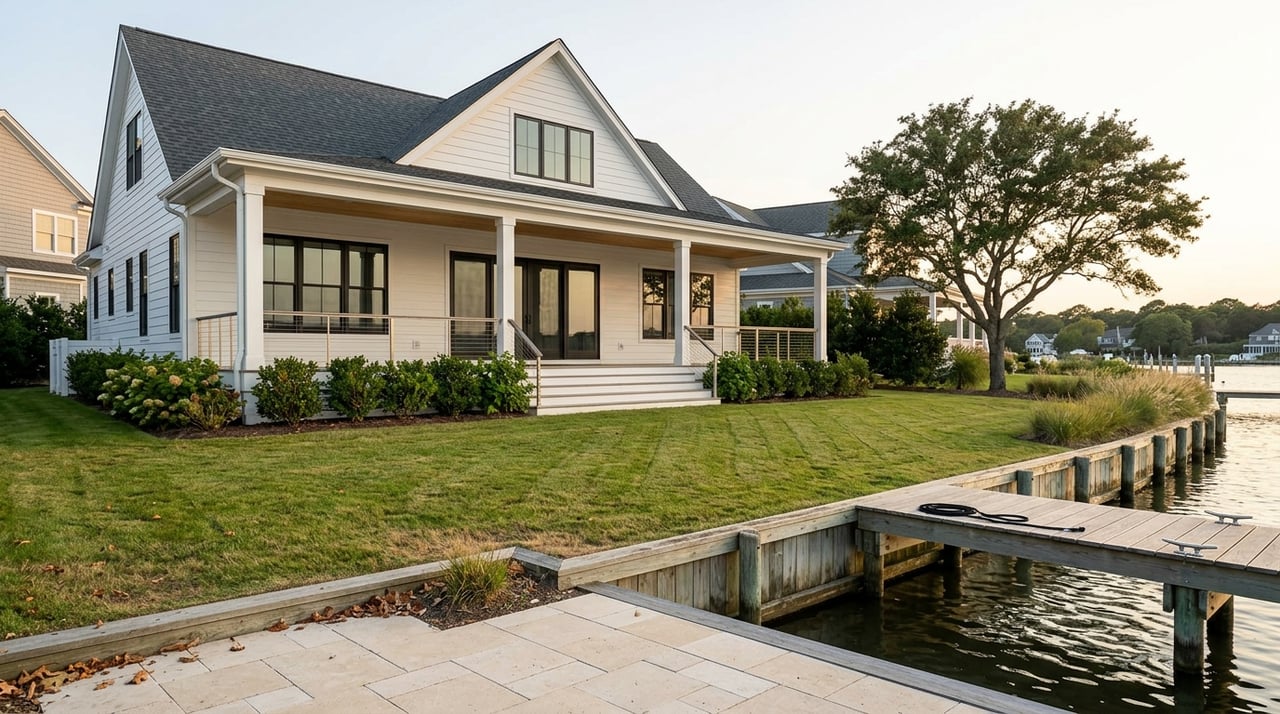
If a dock matters as much as a view, canal-based neighborhoods deserve special attention. Parts of Virginia Beach were planned with canals and private docks to create direct water access, including areas like Bay Island.
This type of waterfront can be especially appealing if you want to launch into boating life from home. It is also highly site-specific, so the exact lot, canal access, and surrounding water conditions matter.
If you want oceanfront living without the heaviest resort feel, the North End is often one of the first places to consider. City information describes the Atlantic Avenue Beaches as offering boardwalk access and surf along the North End, while historic survey work describes the area as a year-round residential community.
That year-round identity is a big part of the appeal. Compared with the busier southern resort area, the North End has long been associated with more permanent residential development and a quieter neighborhood feel.
Historic records point to a mix of beach cottages, bungalows, Colonial Revival homes, and later oceanfront cottages. The same survey notes that early twentieth-century oceanfront cottages were preserved here and that the beach bungalow became one of the most common local house types.
For you as a buyer, that often means charm, architectural variety, and an established coastal setting. It can also mean older housing stock, which may call for more careful attention to updates, maintenance, and weather exposure.
The North End often appeals to buyers who want the beach woven into everyday life without placing themselves in the center of resort activity. If your ideal morning includes a shoreline walk rather than a high-energy tourist scene, this area may rise to the top.
The main tradeoff is practical. With older homes and a shoreline location, you will want to study flood risk, maintenance expectations, and property condition closely.
If you want to be near the boardwalk, events, and a more active waterfront setting, the Resort Area and nearby residential pockets may be worth a close look. The city’s Resort Area Mobility Plan describes the district as a diverse, year-round coastal community that must balance vehicle, pedestrian, bicycle, transit, curbside, and parking needs.
That balancing act is important for buyers. This part of Virginia Beach offers convenience and activity, but it also comes with more traffic, seasonal parking pressure, and a busier public environment.
Old Beach stands out as a residential pocket near the resort. The city created its design review framework to preserve and enhance the character of the Old Beach neighborhood, and the overlay district supports resort residential development with single-family cottage-style homes and compatible multifamily dwellings.
If you like the idea of being close to the action while still living in a defined neighborhood setting, Old Beach can be an appealing middle ground. Historic cottage character also adds to its identity.
Croatan offers a different feel from the core resort blocks even though it shares the same coastline. The city describes it as a favorite for surfers and families, and the beach facility includes parking, restrooms, and showers.
For many buyers, Croatan works well when they want beach access without the same concentration of boardwalk traffic. It can feel more distinct and self-contained while still keeping you near the oceanfront.
Rudee Loop speaks most clearly to buyers who are drawn to boating and inlet-front surroundings. The city maintains Rudee Inlet and main channels of the Lynnhaven River for navigation, but it has also issued shoaling alerts for Rudee Inlet, which highlights how site-specific waterfront access can be.
If you are considering this type of location, local water conditions and exact property positioning should be part of your decision. Inlet living can be rewarding, but it benefits from careful, property-level review.
For many buyers, the Chesapeake Bay side offers the easiest path to a calmer waterfront lifestyle. The city identifies Chesapeake Bay Beaches as the gentler-wave option, and areas like Chic’s Beach, Bay Colony, Bay Island, and Great Neck all connect to that broader bay-oriented appeal.
This side of town often feels more tied to everyday local use than to resort tourism. It can be a strong match if you want waterfront access with a steadier neighborhood rhythm.
Bay Colony is one of the clearest examples of a quieter bayfront residential setting. State historic documentation describes it as a residential-only neighborhood with large lots, open yards, and waterfront parcels that are larger and wooded.
The housing profile includes many one-story brick ranches with some Colonial Revival detailing. If you value privacy, lot size, and a more suburban feel near the water, Bay Colony may be one of the strongest fits.
Bay Island is especially notable for its canal-based layout. Historic context from the state shows the subdivision was developed with canals designed to give direct water access to all lots, including interior lots, with backyards connected to private docks.
That setup can be ideal if boating access is high on your list. In this type of neighborhood, the utility of the waterfront may matter just as much as the visual appeal.
Great Neck and the Lynnhaven Bay area help illustrate the lifestyle on this side of Virginia Beach. Great Neck Park sits along Lynnhaven Bay and includes shared-use paths and scenic bay views, while Chic’s Beach is widely known as a local beach area on the northern edge of the precinct.
If you want calmer water, local beach access, and proximity to boating amenities, these areas are worth comparing. The nearby Lynnhaven Boat Ramp and Beach Facility and Lynnhaven Municipal Marina also reinforce the bay side’s boating-friendly character.
If your vision of waterfront living is less about crowds and more about retreat, Sandbridge may be the clearest fit. Historic survey work describes it as the city’s southern beachfront community, originally envisioned as a community of second homes and later developed as a beachfront neighborhood of single-family residences.
That history still shapes the experience today. Sandbridge often feels more like a destination neighborhood than a resort district, which is part of why buyers seeking quiet and nature are drawn to it.
Early housing stock in Sandbridge often included concrete-block masonry or brick veneer construction, with flat roofs or Ranch-style detailing. Later homes added other forms, including A-frame and round plans, giving the area an eclectic residential character.
For buyers, Sandbridge can offer a more removed and peaceful shoreline lifestyle. At the same time, you should plan around drive time, visitor parking patterns, and storm exposure more carefully than you might in other waterfront areas.
No matter which waterfront neighborhood you love, the view should never be the only factor. Virginia Beach’s Flood Protection Program is a 10-year resiliency effort focused on drainage improvements, tide gates, pump stations, and flood barriers, which shows how seriously the city treats flood management.
FEMA also identifies its Flood Map Service Center as the official source for flood hazard information and notes that flood risk can change over time. In other words, flood due diligence should happen at the property level, not just the neighborhood level.
You will also want to compare practical lifestyle details such as:
These details often shape daily satisfaction just as much as the water view itself.
If you are trying to choose between several Virginia Beach waterfront neighborhoods, start with the lifestyle filter first and the home second. It is usually easier to change finishes than to change the feel of the surrounding area.
A simple way to narrow your options is to group neighborhoods by the experience you want most:
From there, compare each option based on traffic tolerance, water type, home style, and flood-risk comfort level. That process can help you search more efficiently and avoid stretching into an area that looks right on paper but feels wrong in person.
Choosing your ideal Virginia Beach waterfront neighborhood is really about matching a home to your daily rhythm. Whether you picture ocean walks, calmer bay mornings, or a dock-ready boating lifestyle, the right fit comes from balancing beauty with practicality. If you want help narrowing the options with local insight and a calm, personal approach, connect with Reamie Tabin.
Stay up to date on the latest real estate trends.
The Neighborhoods Serious Buyers Are Watching Right Now.

Where to Live in Virginia Beach Without the Car Keys.
Virginia Beach Waterfront Homes for Serious Boaters.

What the People Who Actually Live Here Say About Virginia Beach.
What to Look for in Yacht-Ready Homes in Virginia Beach.
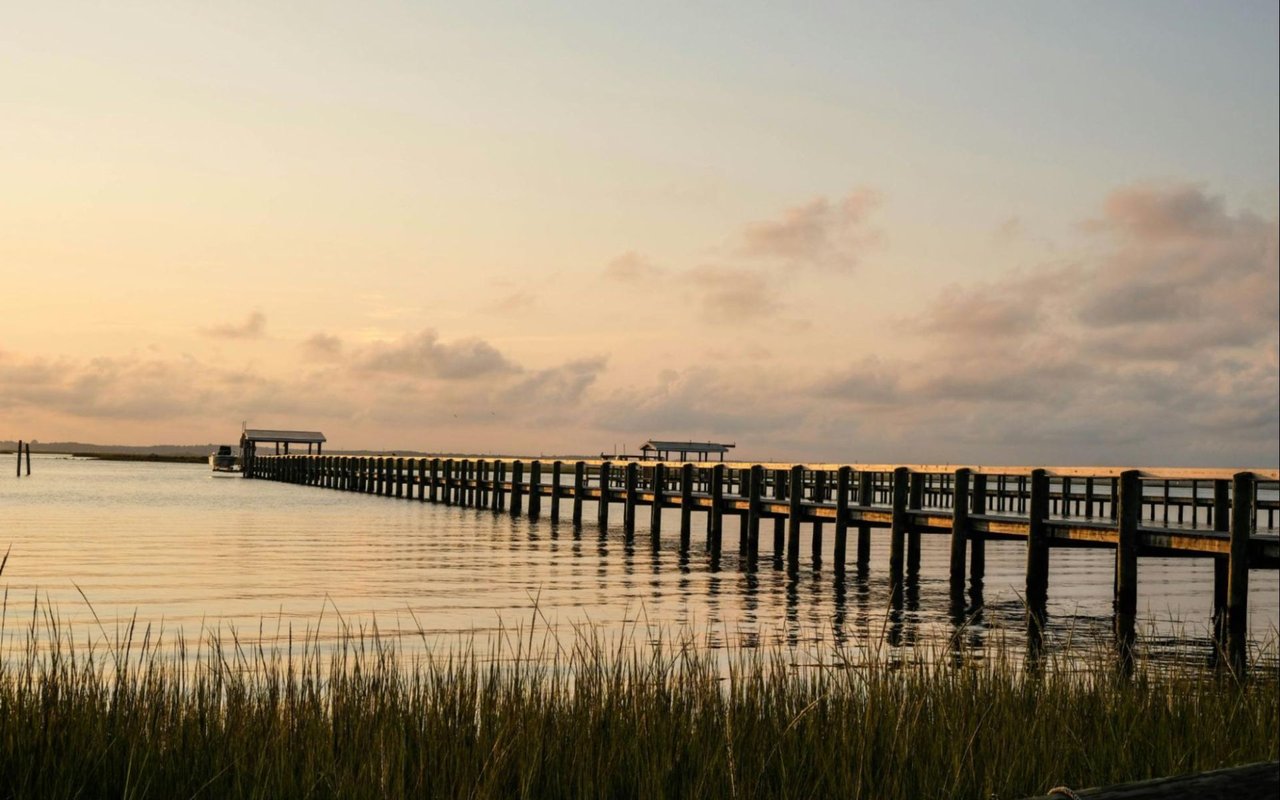
What Makes Waterfront Living in Virginia Beach Unlike Anything Else on the East Coast.
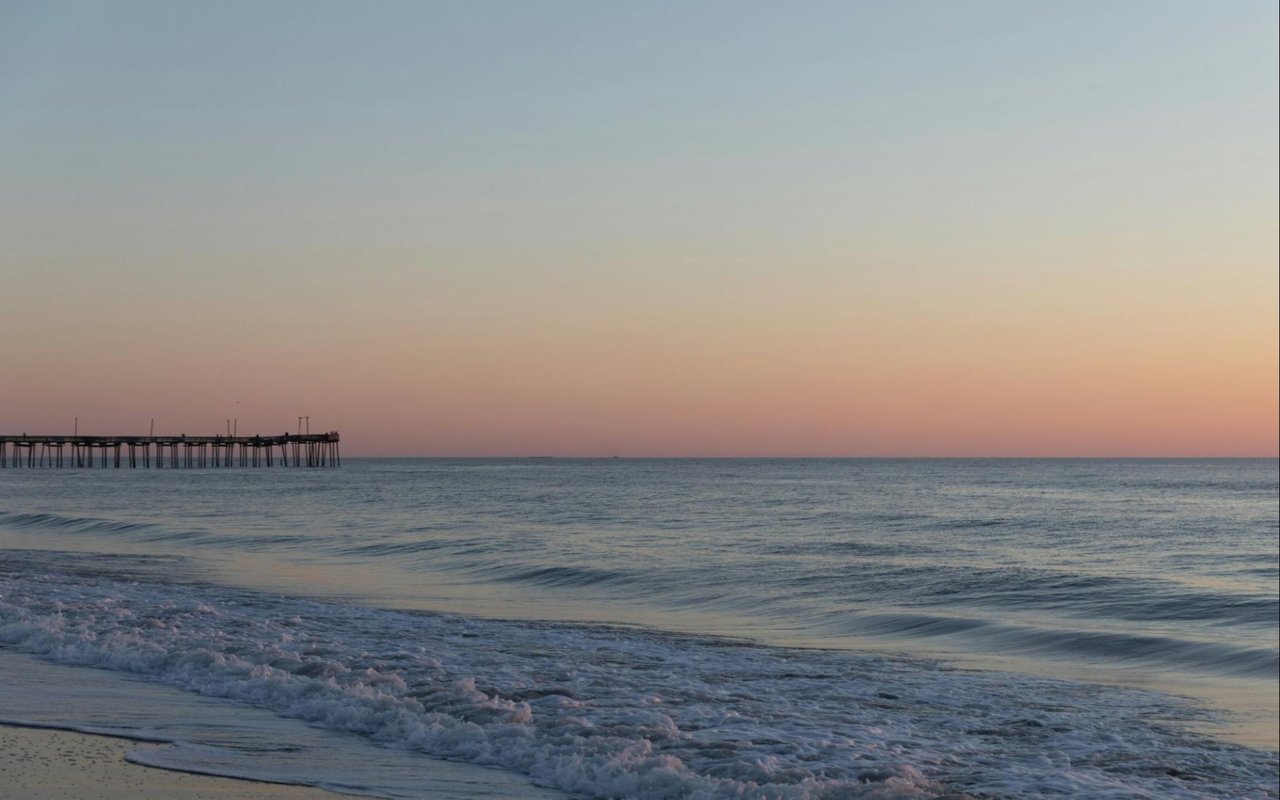
The Best Homes Near the Bay in Virginia Beach for Buyers Who Live for the Water.

Everything You Need to Know About Virginia Beach Waterfront Real Estate as a Boating Buyer.
As a licensed Real Estate Agent in Virginia, Reamie's focus is on assisting clients in Hampton Roads just like yourself, through every step of the real estate process - from locating the finest properties and negotiating the best deals. Contact her now!