By Reamie Tabin
Some homes stop you. Not because of a feature on a spec sheet, but because of something less definable — the way light moves through a room, the sense of arrival at the front door, the feeling that you could actually live here. Learning to recognize and interpret those emotional cues, rather than dismiss or blindly follow them, is one of the most underrated skills in a home search.
Key Takeaways
- An emotional response during a showing is data — not a distraction from rational decision-making, but a meaningful input alongside it
- Specific physical details trigger emotional reactions in predictable ways — natural light, spatial flow, and ceiling height all shape how a home feels before you consciously register them
- The difference between a home that feels right and one staged to feel right is worth learning to distinguish
- In Virginia Beach's waterfront market, lifestyle is central to the value proposition, so emotional fit and practical fit are more closely aligned than in most markets
Your Emotional Response Is Information
Buyers are often told to set emotion aside when evaluating a property. That advice is incomplete. Emotional response doesn't replace careful evaluation, but it carries a real signal about whether a home aligns with how you actually want to live.
What Your Gut Is Actually Picking Up On
- Your nervous system registers spatial proportion, natural light, and air quality before your conscious mind processes the floor plan
- Anxiety or discomfort in a space often reflects something real: low ceilings, poor light, awkward traffic flow, or a layout that creates confinement rather than ease
- The impulse to linger in a room rather than move through it is a reliable signal that the space is working
- Imagining your life in a home happens involuntarily in spaces that genuinely fit and rarely happens in those that don't
When a home feels right, your instincts are usually picking up on something specific. The job is to figure out what.
The Physical Details That Shape How a Home Feels
Emotional response to a home is produced by specific design decisions that affect how people experience a space in predictable ways. Understanding those details helps you articulate what you're responding to and whether it's durable.
What Creates the Feel of a Home
- Natural light quality and directionality create conditions that feel meaningfully different from artificially bright rooms with no connection to the movement of the day
- Ceiling height affects perceived spaciousness in ways that buyers register emotionally before they register intellectually
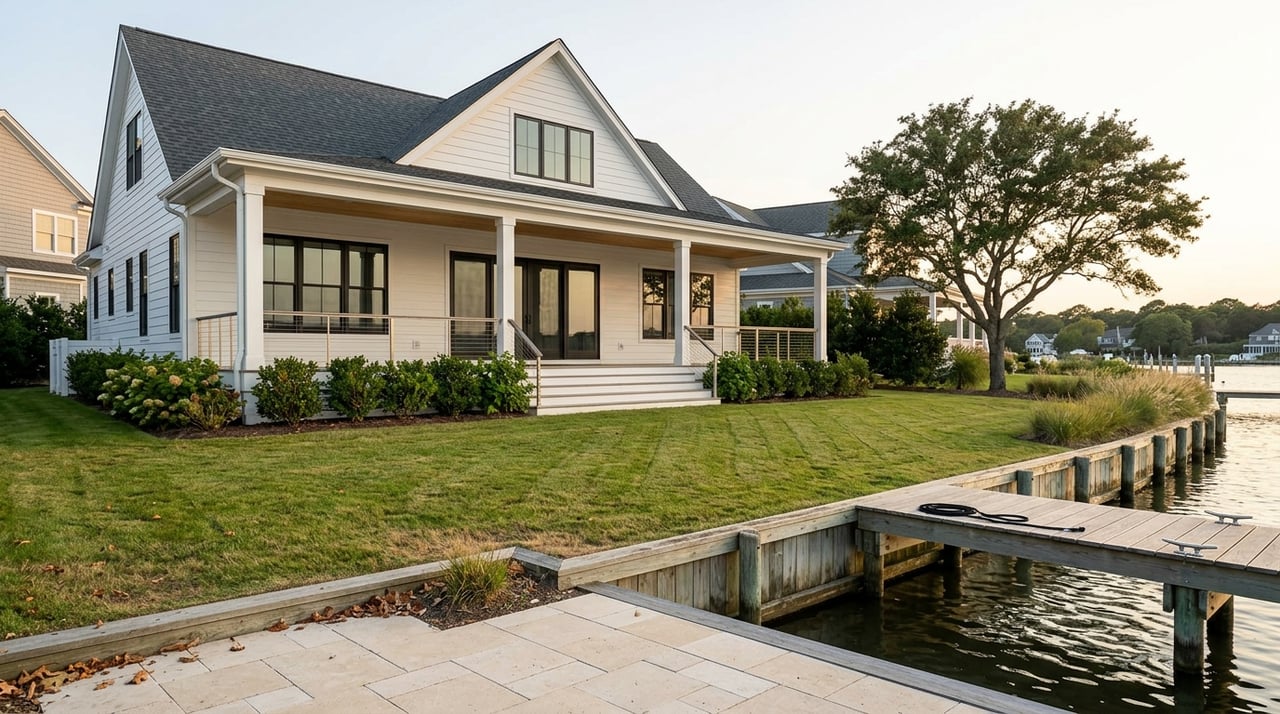
- Indoor-outdoor connection resonates deeply in Virginia Beach's coastal market, where homes that blur the boundary between interior living and outdoor space tap into a core lifestyle expectation
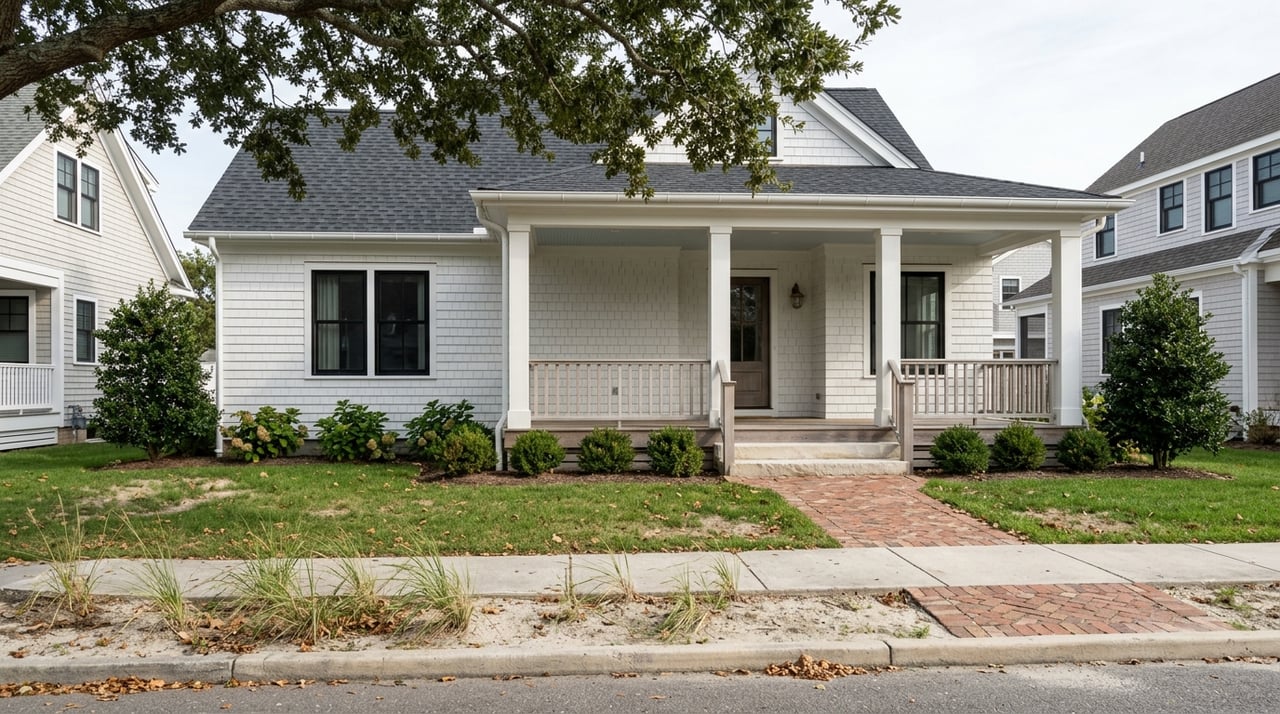
- Entry sequence sets an emotional tone that colors the entire showing — how a home receives you at the front door matters more than most buyers realize
These are design decisions with predictable effects, and homes that get them right feel noticeably different from those that don't.
The Difference Between Feeling Right and Being Staged to Feel Right
Professional staging is designed to produce positive emotional responses, and it often succeeds. The skill for a serious buyer is learning to distinguish between a home that genuinely fits and one dressed to feel that way temporarily.
How to See Through the Presentation to the Property
- Visit at a different time of day than the listing photos to see how the home's orientation and light actually perform through the day
- Spend time in the less-staged spaces: garages, utility rooms, and secondary bedrooms reveal the home's underlying condition and maintenance standard
- Stand still in the main living area and register what you actually sense beyond the visual presentation
- Return for a second showing without guided attention, which allows you to notice what you missed the first time
A home that feels right on a second visit, unscripted and unguided, is one worth taking seriously.
FAQs: What Feels Like Home
Should I make an offer on a home that feels right but has practical shortcomings?
It depends on the shortcomings. Cosmetic issues in a home that genuinely fits your life are solvable. Layout limitations and location problems are not. Emotional fit should be weighed against practical fit, not substituted for it.
What if I don't feel anything during showings?
That's common early in a search. See more properties — the contrast between homes that resonate and those that don't sharpens quickly once you have a reference point.
How do I know if I'm responding to the home or the staging?
Return for a second showing at a different time of day and spend time in the unstaged spaces. A home that holds its appeal across multiple visits is the real thing.
Find What Feels Like Home in Virginia Beach with Reamie Tabin
Recognizing the right home requires both emotional intelligence and market expertise. With nearly two decades in luxury real estate and a Magna Cum Laude background in interior design from the Fashion Institute of Design and Merchandising in Los Angeles, I understand what makes a home feel exceptional at a level most agents don't.
I work with discerning buyers and sellers across Virginia Beach's waterfront market, bringing design sensibility, market knowledge, and personal commitment to every search.