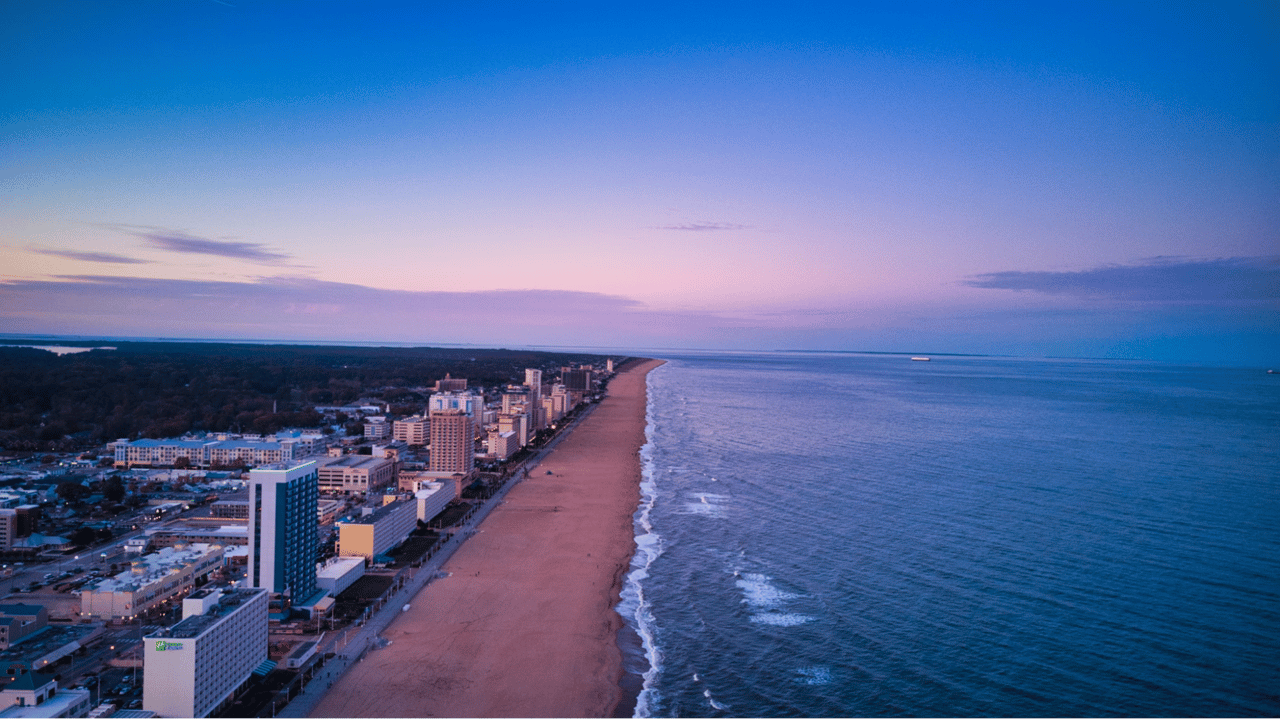
Virginia Beach is often associated with shoreline living and seasonal tourism, but many residents are drawn to a different side of the city—neighborhoods defined by walkability, creative energy, and a strong sense of place. These areas appeal to buyers who value daily convenience, local culture, and an environment that supports both work and leisure without long drives. As preferences shift toward lifestyle-oriented housing, interest in walkable homes in Virginia Beach continues to grow.
This article explores what “living in the vibe” means in practical terms, which neighborhoods reflect that approach, and how it connects to long-term value within the Virginia Beach real estate market.
What Walkable Living Looks Like in Practice
Walkability is not just about sidewalks. In Virginia Beach, it means access to everyday needs within a reasonable distance—coffee shops, restaurants, grocery stores, fitness studios, parks, and local businesses. For many buyers, the appeal lies in being able to run errands, meet friends, or attend events without relying on a car.
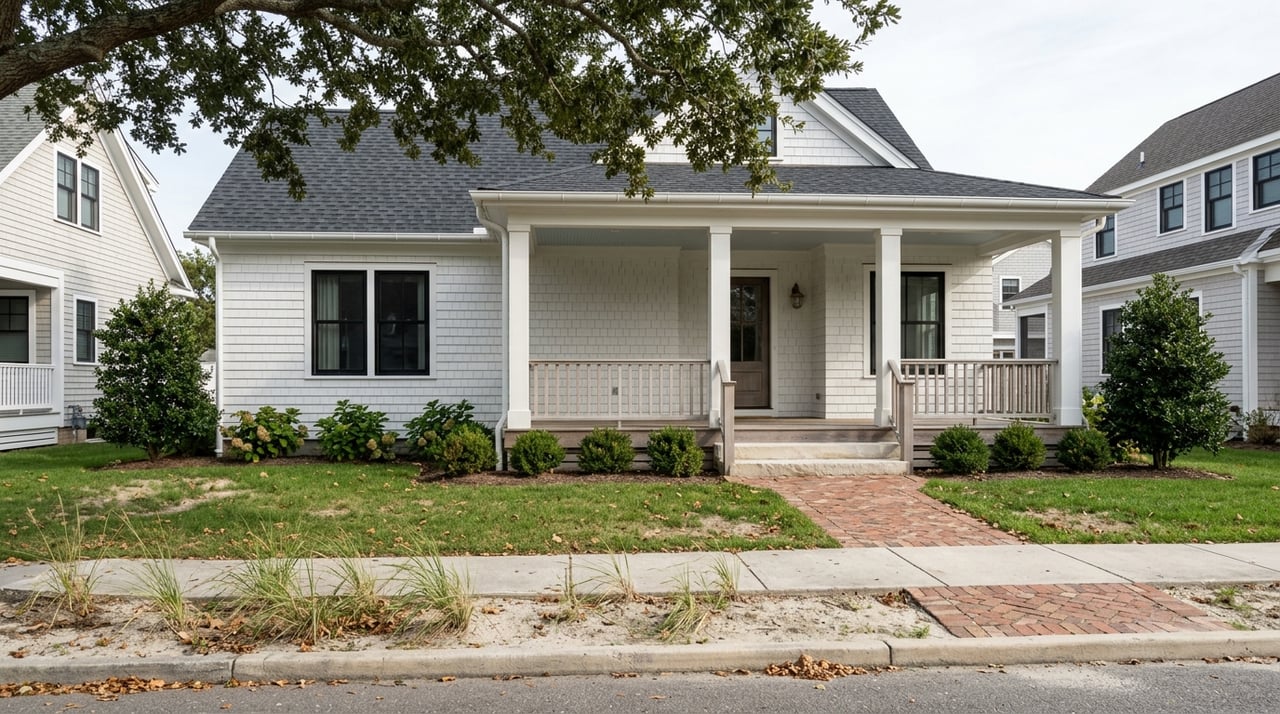
Neighborhoods with walkable layouts often feature a mix of residential housing types, including townhomes, condos, and smaller single-family homes. Streets are typically designed for slower traffic, and commercial spaces are integrated rather than isolated. This design supports routine interaction, which contributes to a stronger sense of community.
From a real estate standpoint, walkability is increasingly tied to demand. Buyers relocating from urban markets or downsizing from suburban properties often prioritize this feature, which can support property values over time.
The Role of Arts and Local Culture
Artsy neighborhoods are not defined by galleries alone. In Virginia Beach, creative culture shows up through locally owned businesses, public art, live music venues, and community events. These elements add texture to daily life and distinguish one area from another.
Districts such as the ViBe Creative District are examples of how intentional planning can support artists, small businesses, and residents at the same time. Converted warehouses, shared workspaces, and locally operated cafés contribute to an environment that feels active without being overwhelming.
For homebuyers, proximity to these cultural features often matters as much as square footage. Living near creative spaces provides access to events and experiences that are not tied to seasonality, which is an important factor in a city with a large visitor population.
Neighborhoods Known for Character
Character in real estate is often associated with architectural variety, established streetscapes, and a sense of history. In Virginia Beach, neighborhoods with character tend to offer a mix of older homes, updated properties, and newer infill development.
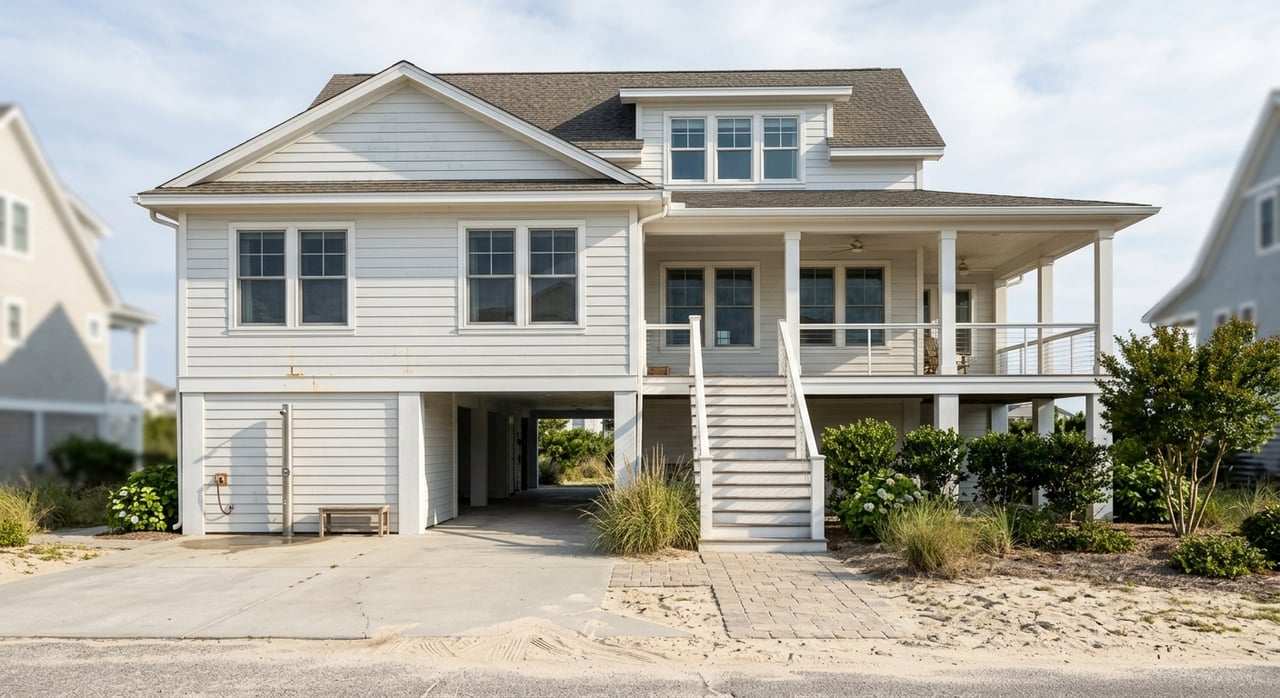
These areas do not follow a single template. Instead, they reflect gradual growth over time. Buyers may find restored cottages next to modern townhomes, or small apartment buildings alongside single-family residences. This mix supports a broader range of price points and attracts residents at different life stages.
From an investment perspective, neighborhoods with established character often show resilience. Demand remains steady because these areas cannot be easily replicated, and zoning or land constraints limit overdevelopment.
Lifestyle Benefits Beyond Convenience
Living in a walkable, arts-oriented neighborhood supports routines that many buyers value. Shorter commutes within the neighborhood can reduce reliance on vehicles and free up time for work, family, or personal interests. Access to public spaces encourages regular outdoor activity, even outside of beach season.
Social connection is another benefit. Walkable areas make it easier to engage with neighbors, attend local events, or support nearby businesses. This level of engagement contributes to neighborhood stability, which is a factor many buyers consider when evaluating long-term satisfaction.
For remote workers or professionals with flexible schedules, these neighborhoods provide structure without requiring a traditional commute. The ability to separate work and home life through local cafés or shared spaces is an added advantage.
How This Trend Impacts Virginia Beach Real Estate
Demand for walkable homes in Virginia Beach has influenced both pricing and inventory. Homes in these neighborhoods often receive strong interest, particularly those within close proximity to commercial corridors or cultural districts. While these properties may carry a premium, buyers frequently view the lifestyle benefits as part of the overall value.
Sellers in walkable areas can benefit from targeted marketing that highlights location-specific features rather than just interior finishes. Proximity to dining, retail, and community spaces is a key differentiator in listing presentations.
From a broader market perspective, this trend aligns with national patterns. Buyers are placing greater emphasis on quality of life factors, and Virginia Beach is well-positioned to meet that demand due to its mix of established neighborhoods and ongoing redevelopment efforts.
Considerations for Buyers
Purchasing in a walkable, arts-focused neighborhood requires careful evaluation. Buyers should consider noise levels, parking availability, and future development plans. While activity is part of the appeal, understanding how it fits with personal preferences is important.
It is also essential to review zoning and land use plans. Some areas may be slated for additional mixed-use development, which can enhance convenience but also increase density. Working with a local real estate professional who understands these dynamics can help buyers make informed decisions.
Financing considerations may also vary. Condos or mixed-use properties can have different lending requirements than single-family homes, and buyers should be prepared for that process.
Why Character Matters Long Term
Neighborhood character contributes to more than daily enjoyment; it also plays a role in long-term market performance. Areas with a clear identity tend to maintain interest across market cycles. Even as preferences shift, places that offer a defined lifestyle remain relevant.
For Virginia Beach, this means that neighborhoods combining walkability, local culture, and established infrastructure are likely to continue attracting buyers. As the city evolves, these areas serve as anchors that balance growth with livability.
Working With the Right Guidance
Navigating Virginia Beach real estate requires local insight, particularly when evaluating lifestyle-driven neighborhoods. Understanding which areas align with walkability goals, how pricing compares across districts, and what future development may look like can make a significant difference in the buying or selling experience.
Professionals who specialize in this market can provide clarity on these factors and help clients align their real estate decisions with their long-term goals.
About Reamie Tabin
Reamie Joy Tabin has built a career centered on waterfront and lifestyle-focused real estate, bringing nearly twenty years of experience from the luxury sector into the Virginia Beach market. Her professional background is grounded in her time living and studying in the Hampton Roads region, where she earned a Magna Cum Laude degree in interior design, along with academic recognition from the Fashion Institute of Design and Merchandising in Los Angeles. This education supports her practical approach to blending design knowledge with real estate strategy.
Through a combination of formal training and hands-on industry work, Reamie has developed a reputation for confident, informed representation, earning recognition both locally and beyond the region. Her client base includes established brands in fashion and real estate, as well as respected leaders connected to multiple branches of the U.S. armed forces.
Ready to explore real estate in Virginia Beach? Contact
Reamie Tabin today to begin the search for your dream home.