By Reamie Joy Tabin
Williamsburg, VA, sits at a genuinely rare intersection: a living city where 18th-century colonial history isn't just preserved in a museum — it shapes the architecture, the neighborhoods, and the character of the real estate market itself. If you're drawn to homes with historical roots, period details, and the kind of craftsmanship that simply isn't replicated in new construction, Williamsburg belongs on your list. I work with buyers across Hampton Roads and the Historic Triangle, and the Williamsburg market consistently rewards buyers who understand what makes it distinctive before they start touring. Whether you're relocating from Virginia Beach, downsizing from a larger Hampton Roads home, or searching for a second property with serious historical character, this guide covers what you need to know.
Key Takeaways
- Williamsburg's real estate market offers a range of architectural styles rooted in colonial and Georgian tradition
- Several established neighborhoods place buyers within walking distance or a short drive of the historic district
- Older homes in this market carry specific maintenance and renovation considerations worth evaluating carefully
- The lifestyle Williamsburg offers — history, community, and natural setting — is as much a draw as the homes themselves
Understanding the Architectural Character of Williamsburg, VA
The built environment of Williamsburg reflects three centuries of American history. The original 18th-century colonial capital drew on English design traditions — symmetrical brick facades, steeply pitched roofs, multi-pane windows, and classical proportions that still define the aesthetic of the historic district today. The removal of Virginia's capital to Richmond in 1780 left Williamsburg in a long period of economic quiet that, ironically, protected much of its original urban fabric from redevelopment.
What that means for buyers today is a real estate market where historic character runs deep. Homes near Duke of Gloucester Street, Francis Street, and the College of William and Mary reflect genuine architectural heritage — not just a colonial-inspired aesthetic applied to a newer structure. That distinction matters when you're evaluating what you're actually buying.
Architectural Styles Common in the Williamsburg Market
- Colonial — symmetrical fronts, brick or wood construction, multi-pane double-hung windows, center-hall floor plans
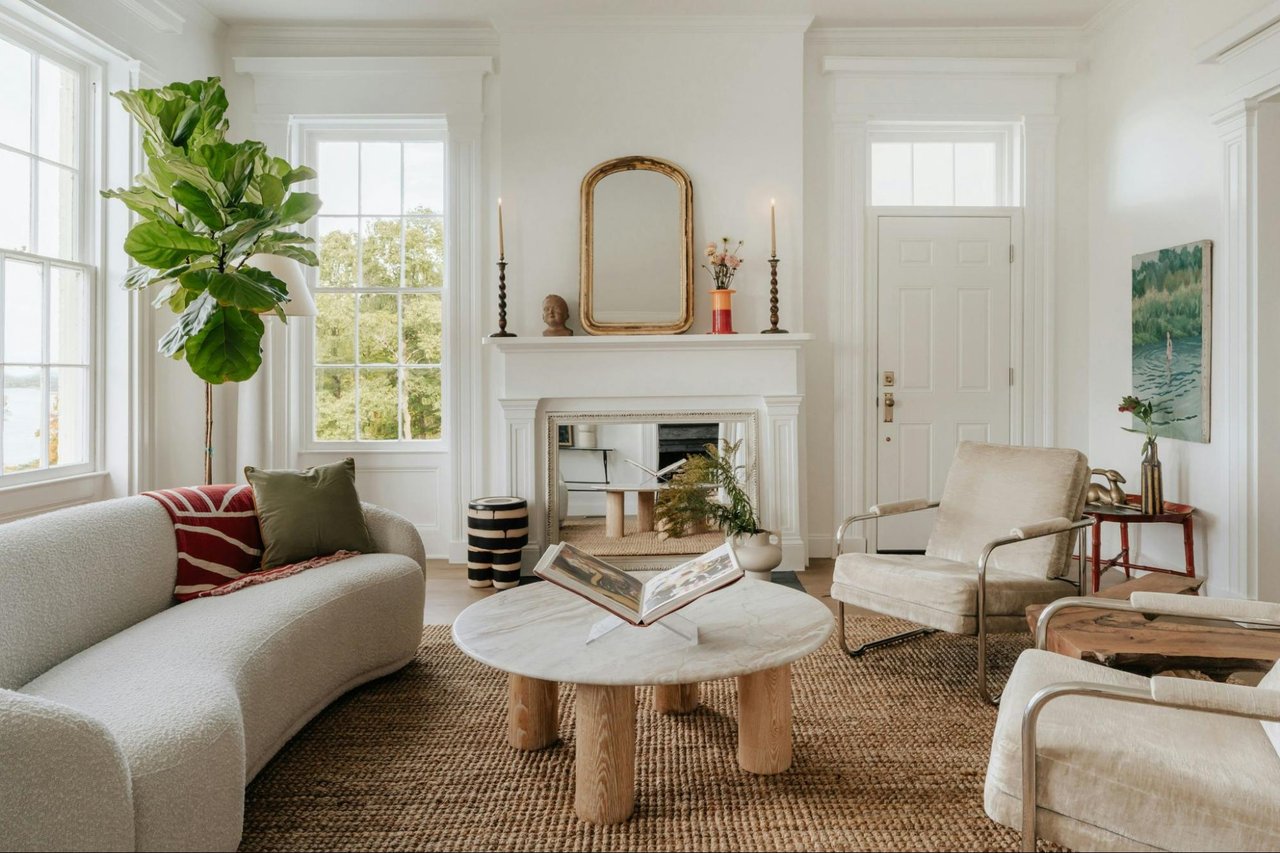
- Georgian — classical proportions, decorative cornices, paneled doors, and formal room arrangements
- Colonial Revival — 20th-century homes designed to echo 18th-century forms, common throughout James City County's established neighborhoods
- Cape Cod and ranch — mid-century forms found throughout residential Williamsburg, often on well-established lots with mature trees
- Contemporary — newer builds in communities like New Town that blend modern living standards with historically sympathetic exterior design
Neighborhoods That Define the Williamsburg Historic Home Market
Where you live in Williamsburg shapes your experience of its history as much as the home itself does. The city's established neighborhoods each carry a distinct character, and buyers looking for genuine historic proximity have several strong options worth knowing before you start narrowing your search.
Port Anne places residents within walking distance of Colonial Williamsburg, Merchants Square, and the College of William and Mary — a level of access to the historic district that very few residential communities anywhere in the country can match. Queens Lake, bordered by Queens Creek and the Colonial Parkway in York County, offers a quieter, waterfront-adjacent environment with an established community of distinguished homes and a strong neighborhood identity that has held for decades.
Established Neighborhoods Worth Exploring
- Port Anne — intimate custom home community within walking distance of the Colonial Williamsburg historic area and Merchants Square
- Queens Lake — waterfront community bordered by Queens Creek and the Colonial Parkway with distinguished homes and mature landscaping
- Ford's Colony — gated golf community five miles east of Colonial Williamsburg with colonial revival architecture and extensive amenities across more than 3,000 acres
- First Colony — non-gated community with marina and beach access on the James River, an interior lake, and a well-established residential identity
- Historic City of Williamsburg — homes on and near Francis Street and surrounding blocks, among the closest residential real estate to the 301-acre historic area
What Buyers Should Know Before Purchasing an Older Home in Williamsburg
Historic character comes with real maintenance considerations that buyers moving from newer construction sometimes underestimate. Homes built in the mid-20th century or earlier — even those that have been well maintained — may carry systems, materials, and construction methods that differ significantly from what buyers are used to evaluating in a standard resale transaction.
In a market like Williamsburg, where the appeal of an older home is often inseparable from its original features, understanding what you're committing to before closing is essential. A thorough home inspection by an inspector experienced with older construction is non-negotiable, and I always make sure my buyers go into that process with the right professional and the right questions.
Key Considerations for Buyers of Older Williamsburg Homes
- Plaster walls and original woodwork — beautiful and worth preserving, but require different repair methods than drywall construction
- Older electrical systems — early panel configurations may require updating for safety and insurability
- Masonry and chimney condition — brick exteriors and working fireplaces require periodic inspection and repointing
- Foundation and drainage — older homes on established lots may have drainage patterns worth evaluating, particularly given Virginia's clay soils
- Window condition — original wood windows require regular maintenance to perform well thermally but contribute significantly to a home's historic character and market appeal
Frequently Asked Questions
Is it harder to get homeowners insurance on a historic home in Williamsburg, VA?
It can be more involved, depending on the age of the home and the condition of key systems like electrical and plumbing. Some standard carriers are cautious about older construction, but specialty insurers cover historic properties regularly. I always recommend getting insurance quotes early in the process — before you're under contract — so there are no surprises at closing.
Do historic homes in Williamsburg hold their value well?
Homes with genuine historic character and proximity to the Colonial Williamsburg area have consistently attracted a specific and loyal buyer pool. Location near the historic district, architectural integrity, and lot quality all contribute to long-term appeal. Like any market, individual results depend on condition, pricing, and timing — and I'll make sure you have a clear picture of all three before you make an offer.
What's the difference between a home in the historic district and a home with a historic style?
The historic district in Williamsburg refers to the 301-acre Colonial Williamsburg area, which is largely a museum and hospitality environment rather than a residential one. Buyers typically purchase in neighborhoods adjacent to or near the historic area. A home described as having "historic style" or "colonial architecture" outside the district reflects that architectural tradition without carrying the preservation restrictions that apply to formally designated historic properties.
Contact Reamie Joy Tabin Today
Williamsburg's historic home market is one of the most distinctive in Virginia, and buying well here requires local knowledge and careful evaluation. I bring nearly two decades of experience in luxury real estate and a deep understanding of the Hampton Roads and Historic Triangle markets to every client relationship.
When you're ready to explore what Williamsburg has to offer, reach out to me,
Reamie Joy Tabin.