
July 23, 2026
Trying to choose between Norfolk and Virginia Beach? If you love the coast, both cities can look appealing at first glance, but the way they feel day to day is very different. The good news is that once you understand the lifestyle, housing patterns, and waterfront experience in each place, your decision usually gets much clearer. Let’s dive in.
If you want the simplest way to frame it, Norfolk tends to feel more urban-coastal, while Virginia Beach feels more resort-coastal. Norfolk centers more on a walkable downtown waterfront and a collection of distinct neighborhoods. Virginia Beach is much larger and spreads across coastal, inland, courthouse, and rural context areas, creating a wider mix of daily routines and housing settings.
That size difference matters. Census estimates show Virginia Beach had 453,737 residents in 2025, compared with 231,013 in Norfolk. In practical terms, Virginia Beach offers more geographic variety, while Norfolk often feels more compact and neighborhood-driven.
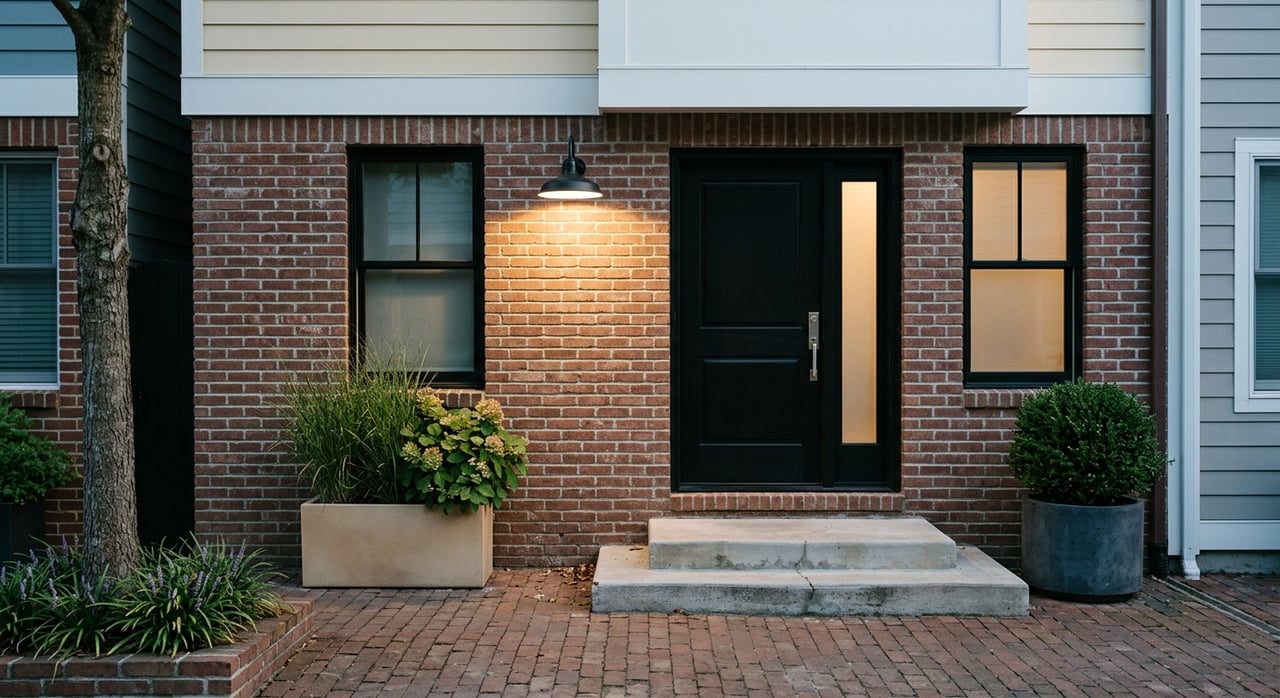
Norfolk is a strong fit if you want a city with a defined core and a little more everyday walkability. Official city and visitor materials describe Downtown Norfolk as a walkable waterfront hub, and the city’s neighborhood mix includes Downtown, Freemason, NEON, Ghent, Chelsea, Riverview, Larchmont/Lochhaven, and Ocean View.
That creates a lifestyle where your routines may revolve around local districts instead of long drives between activity zones. You may find yourself drawn to a morning walk near the waterfront, an afternoon museum visit, or dinner downtown, all without needing the classic resort-beach setup.
One of Norfolk’s biggest strengths is how distinct its neighborhoods feel. Freemason, for example, is described as the city’s oldest standing neighborhood, known for tree-lined cobblestone streets, manicured gardens, historic homes, and water views.
That older urban character gives Norfolk a sense of texture that many buyers appreciate. If you are drawn to charm, architectural variety, and areas with a strong sense of place, Norfolk may feel more personal and rooted.
Norfolk also stands out for culture and public spaces. The Elizabeth River Trail is a 10.5-mile walkable and bikeable route that connects multiple neighborhoods with waterfront views. The NEON District is the city’s first official arts district and includes more than 100 works of public art on its walking tour.
You also have major cultural destinations like the Chrysler Museum of Art, which holds more than 30,000 works, plus the Perry Glass Studio and Norfolk Botanical Garden, which spans 175 acres with more than 60 themed gardens. For many buyers, that mix supports a lifestyle that feels active, creative, and connected to the water without being fully centered on the oceanfront.
Virginia Beach is often the better fit if your dream lifestyle starts with the beach itself. The city describes itself as a coastal city where the Chesapeake Bay meets the Atlantic Ocean, and its planning framework reflects just how broad that setting is.
Instead of one central urban core, Virginia Beach offers several distinct lifestyle zones. You have the Oceanfront, Chesapeake Bay beach areas, inland neighborhoods, Town Center, and a preserved rural area south of the Rural Area Boundary. That wider spread gives you more ways to define what coastal living means to you.
If you picture regular time on the sand, Virginia Beach has the stronger beach identity. The Oceanfront stretches along the Atlantic from Croatan to the North End, and the city also highlights Atlantic Avenue beaches, the North End, Chesapeake Bay beaches, Croatan, and Sandbridge.
That means your version of coastal life can look very different depending on where you land. Some buyers want the energy and activity of the Oceanfront, while others prefer a quieter bay or coastal setting with a different pace.
Virginia Beach is not just about the beach. Town Center adds a 36-acre mixed-use hub for shopping, dining, and entertainment, offering a more cosmopolitan option away from the shoreline.
Outdoor access is also a major part of daily life here. First Landing State Park covers 2,888 acres, and the city says Virginia Beach offers more than 4,000 acres of parkland and 120 miles of open waterways for activities like hiking, biking, kayaking, and stand-up paddleboarding.
Housing style and price point often shape this decision just as much as lifestyle. Based on Census QuickFacts, Norfolk’s median owner-occupied home value is $289,900, compared with $382,500 in Virginia Beach. Median gross rent is also lower in Norfolk at $1,321, compared with $1,714 in Virginia Beach.
Those numbers suggest Norfolk may offer a lower entry point for some buyers. They also reflect a different housing mix and ownership pattern between the two cities.
Norfolk’s owner-occupied housing rate is 46.3%, which points to a more renter-heavy and urban profile than Virginia Beach. Housing settings also vary widely, from historic homes in Freemason to planned mixed housing in East Beach, including individual houses, townhouses, and small apartment buildings.
That variety can appeal to buyers who want options in a more compact setting. It may also suit those who care more about neighborhood feel than having a single dominant housing style across the city.
Virginia Beach’s owner-occupied housing rate is 65.1%, which suggests a more owner-oriented housing profile overall. Its planning materials describe coastal neighborhoods, densely populated inland areas, a central business district at Town Center, and rural land preserved to the south.
For you as a buyer, that often translates into more choices across very different environments. You may be comparing a beach-area property, an inland neighborhood, a mixed-use district, or a more open rural setting, all within the same city.
If walkability is high on your list, Norfolk usually has the edge. Downtown Norfolk is specifically presented as a walkable waterfront district, and the city’s lifestyle often centers on connected neighborhoods, trails, arts spaces, and waterfront dining.
Virginia Beach certainly has activity hubs, especially around the Oceanfront and Town Center, but the city is larger and more spread out. In many parts of Virginia Beach, daily life is simply more car-dependent than it is in Norfolk.
This is one of the most important questions to ask yourself. Norfolk’s shoreline experience is more bayfront and neighborhood-oriented. The city says it has more than 7.3 miles of free, accessible shoreline in Ocean View, centered around three beach parks, and Ocean View and East Beach are described as Chesapeake Bay beach communities with gentler waves.
Virginia Beach, on the other hand, offers the classic Atlantic beach identity many people picture first. If you want an Oceanfront setting, boardwalk energy, and a broader beach culture, Virginia Beach usually delivers that more directly.
Virginia Beach tends to feel busier during peak beach season, especially around the Oceanfront. Summer demand is active enough that the city issues resident parking vouchers and posts traffic and crowd advisories for major events.
Norfolk has activity too, but it is usually more concentrated around downtown, the Elizabeth River Trail, and waterfront districts. If you want coastal living with less emphasis on seasonal tourism, Norfolk may feel more comfortable.
Both cities are coastal enough that flooding and sea-level rise are part of the conversation. Norfolk’s Vision 2100 discusses flooding, and Virginia Beach’s Coastal context area includes planning around sea-level rise while protecting the coastal landscape.
For buyers weighing long-term fit, this is not a small detail. It is one more reason why choosing the right location involves more than just beach access or home style.
If you are still deciding, think less about which city is “better” and more about which one matches your daily rhythm. The right answer usually comes down to how you want to spend your time, what kind of surroundings help you feel at home, and what level of beach access or walkability matters most.
Norfolk may be the better fit if you want:
Virginia Beach may be the better fit if you want:
Choosing between Norfolk and Virginia Beach is really about matching your home to your lifestyle, not just your map search. If you want thoughtful guidance as you compare coastal neighborhoods across Hampton Roads, Reamie Tabin is here to help you find the fit that feels right.
Stay up to date on the latest real estate trends.

A Buyer's Guide to Historic Home Real Estate in Williamsburg, VA.

A Home Buying Checklist for Virginia Beach Buyers Who Want More Than a Number.
As a licensed Real Estate Agent in Virginia, Reamie's focus is on assisting clients in Hampton Roads just like yourself, through every step of the real estate process - from locating the finest properties and negotiating the best deals. Contact her now!