By Reamie Tabin
Over the past several years, I’ve worked with buyers who initially assumed Virginia Beach would be their destination, only to change course after spending time in Williamsburg. The shift usually happens after they experience how different daily life feels just 45 minutes inland, from traffic patterns to neighborhood layout to how homes are positioned on their lots.
When clients start comparing Williamsburg vs Virginia Beach homes, the decision often becomes clearer than they expected.
Key Takeaways
- Lifestyle differences shape buyer decisions
- Home layouts and lot sizes matter
- Community design affects daily life
- Long-term ownership feels different
Lifestyle Pace: Planned Calm Versus Coastal Density
One of the first differences buyers notice when comparing Williamsburg and Virginia Beach is how daily life unfolds. Williamsburg was developed with long-term residential living in mind, while Virginia Beach balances residential neighborhoods with heavy tourism and seasonal traffic.
How Lifestyle Feels Day to Day
- Traffic patterns: Williamsburg avoids the seasonal congestion common near the oceanfront.
- Noise levels: Fewer short-term rentals mean quieter streets year-round.
- Daily routines: Errands, dining, and recreation feel more predictable.
Buyers who prioritize consistency often find Williamsburg easier to settle into, especially when comparing Williamsburg vs Virginia Beach homes from a livability standpoint.
Home Design and Lot Layouts Favor Space
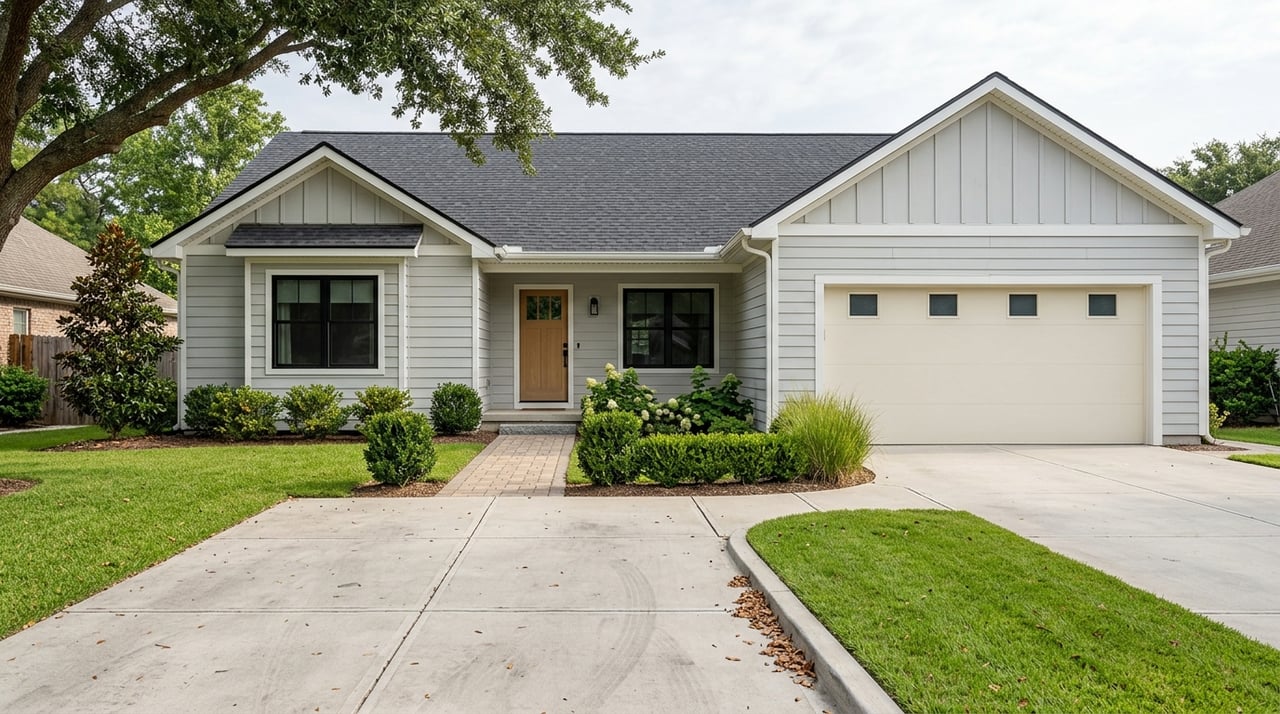
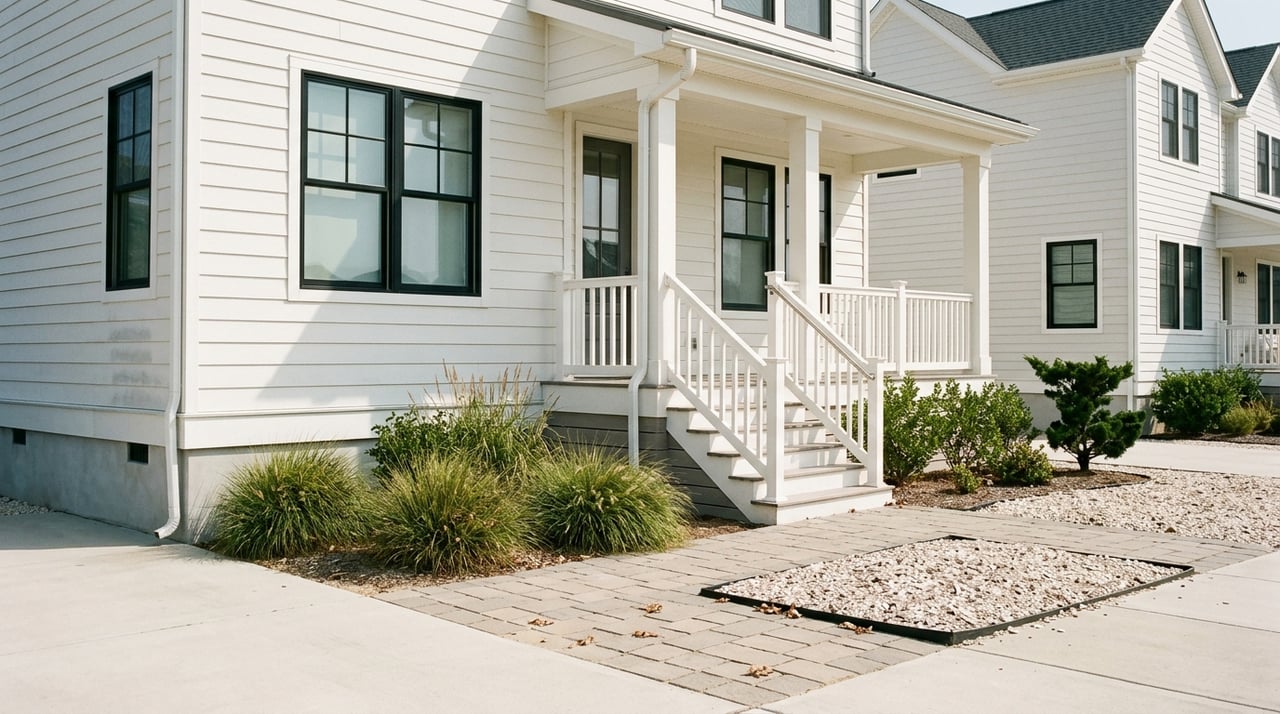
Williamsburg neighborhoods typically feature larger lots, deeper setbacks, and homes designed for long-term comfort. Virginia Beach homes, particularly closer to the coast, often emphasize proximity over space.
Physical Differences Buyers Notice
- Lot size: Williamsburg homes often feature wider yards and greater privacy.
- Home orientation: Fewer homes are tightly clustered.
- Garage access: Attached garages and longer driveways are more common.
These design elements make a noticeable difference for buyers who want room to breathe rather than maximizing walkability to tourist corridors.
Neighborhood Planning Feels More Intentional
Williamsburg benefits from cohesive planning across many of its residential communities. Developments like Kingsmill, Ford’s Colony, and Governor’s Land were built with long-term ownership in mind, including controlled access and consistent architectural standards.
Planning Features Buyers Appreciate
- Architectural consistency: Neighborhoods feel cohesive rather than piecemeal.
- Community buffers: Green space and setbacks separate residential areas.
- Road design: Fewer cut-through streets reduce traffic.
Virginia Beach neighborhoods often developed in phases, leading to greater variation.
Privacy and Daily Quiet Carry Weight
Williamsburg’s residential zones tend to prioritize separation from commercial centers, while Virginia Beach often blends uses more tightly.
Privacy-Related Differences
- Fewer vacation rentals: Less turnover on residential streets.
- Buffer zones: Natural landscaping between homes and main roads.
- Lower density: Fewer multi-unit properties within neighborhoods.
This quieter environment appeals to buyers seeking a home that feels like a retreat rather than an extension of a busy corridor.
Long-Term Ownership Feels More Predictable
Buyers thinking beyond their initial purchase often consider how a home will function five, ten, or twenty years down the road.
Ownership Considerations
- Stability: Neighborhood character shifts less frequently.
- Maintenance expectations: Homes are built for year-round occupancy.
- Future flexibility: Renovations and expansions are more feasible.
Williamsburg’s housing stock and zoning tend to support long-term predictability, while Virginia Beach neighborhoods can change more rapidly due to tourism-driven demand.
Ease of Navigation and Accessibility
Another practical consideration is how easy it is to move around. Williamsburg’s layout allows residents to avoid heavy traffic corridors, while Virginia Beach requires navigating busier arteries, especially during peak seasons.
Navigation Differences
- Commute predictability: Fewer seasonal spikes.
- Parking access: Less competition for space near home.
- Road hierarchy: Clear separation between residential and commercial routes.
This ease of movement contributes to lower daily stress, which buyers often underestimate until they experience it firsthand.
Resale Appeal and Buyer Pool
Resale dynamics also differ between these markets. Williamsburg attracts buyers seeking stability and continuity of lifestyle, while Virginia Beach draws a mix of residents and investors.
Resale Factors
- Buyer intent: More owner-occupants in Williamsburg.
- Market consistency: Less seasonal fluctuation.
- Property perception: Homes are viewed first as residences rather than as assets.
When clients ask me about Williamsburg vs Virginia Beach homes, the resale strategy is often part of the conversation.
FAQs
Is Williamsburg farther from amenities than Virginia Beach?
No. Daily amenities are easily accessible, with minimal congestion.
Do homes in Williamsburg feel isolated?
They feel private, not isolated, with well-planned community access.
Is Williamsburg only for retirees?
No. Buyers span many life stages.
Contact Reamie Tabin Today
Choosing between Williamsburg and Virginia Beach is less about right or wrong and more about alignment. Buyers who value privacy, predictable daily life, and thoughtfully planned neighborhoods often find Williamsburg fits their priorities more closely.
Reach out to me at
Reamie Tabin to discuss Williamsburg vs Virginia Beach homes and what truly fits your lifestyle goals. I help buyers evaluate not just properties, but how those homes will support the way they want to live for years to come